
The German Machine Still Has Its Power
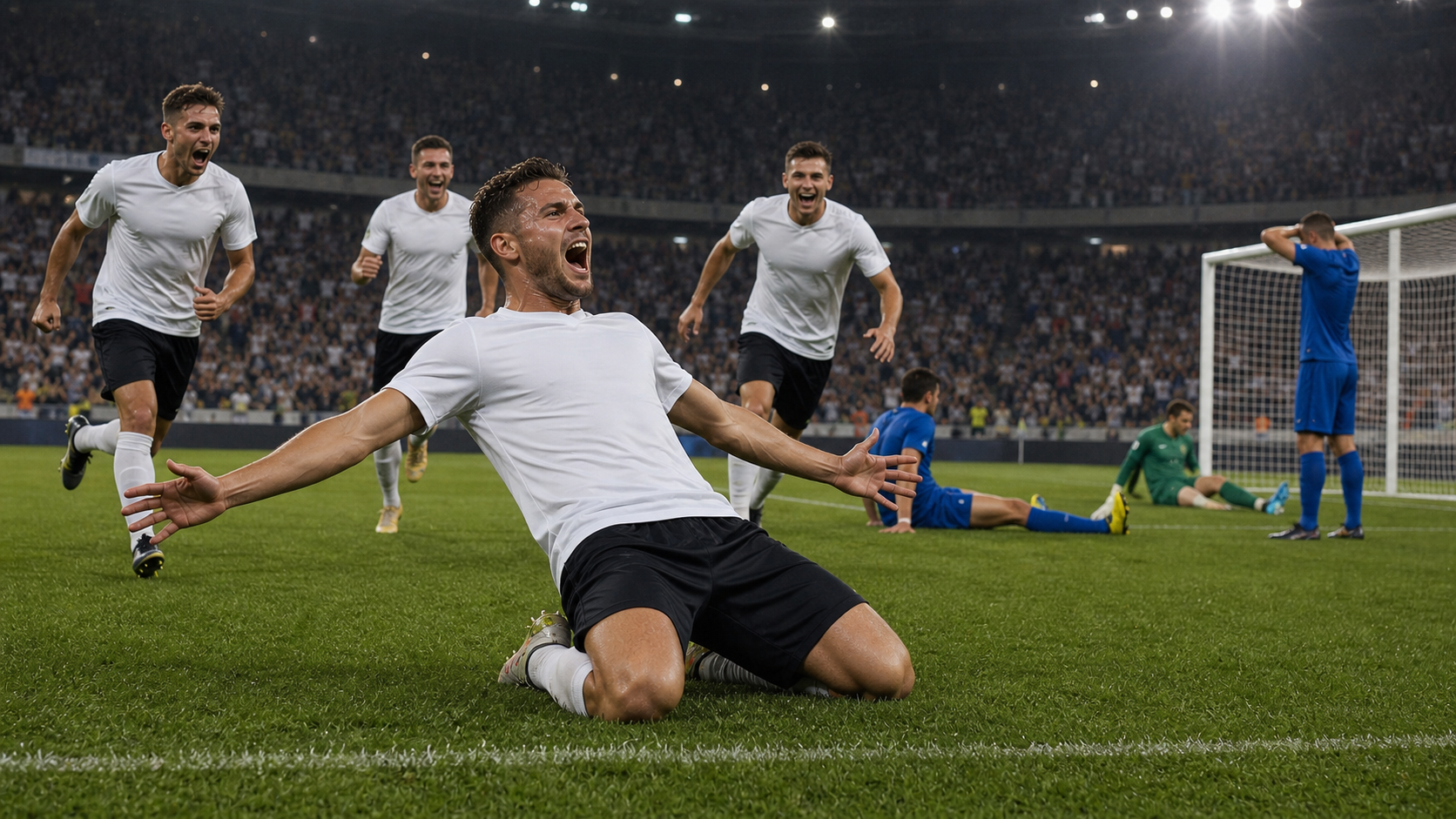
Germany opened their 2026 World Cup campaign with a 7-1 win over Curacao, combining high pressing, wide overloads, strong chance creation, and ruthless finishing.
Germany did not need long to make their message clear. The machine is still running.
In their opening Group E match, Germany beat Curacao 7-1 and produced the kind of performance that turns a comfortable win into a statement. The scoreline was heavy, but it was not only about the goals. Germany controlled the rhythm, squeezed the pitch, attacked through both wide channels, and kept finding new ways to turn pressure into chances.
Curacao arrived as a debutant with energy and courage, and they briefly gave the match a different emotional shape. But once Germany found their passing tempo and began to overload the final third, the game moved almost entirely in one direction. This was a reminder that Germany's strength is not only individual talent. It is the ability to keep repeating actions until the opponent breaks.
Julian Nagelsmann's side started with the familiar German logic of control through structure. Germany built from a high base, pushed numbers around the ball, and used their full-backs and wide players to stretch Curacao's defensive block. The aim was not simply to keep possession. It was to keep Curacao defending in motion: slide left, recover right, track a runner, close a half-space, then do it all again.
That is where the tactical difference became clear. Curacao could survive individual moments, but Germany kept creating sequences. When the ball went wide, the next pass was often inside. When Curacao narrowed, Germany switched the point of attack. When the first shot was blocked, the second phase was already waiting. Germany's pressure was less like one punch and more like a chain of small collisions.
The data backed up what the eye test showed. Germany finished with 65 percent possession, 26 shots, 12 shots on target, and an expected-goals total of about 3.91. Curacao had moments, including one very good one, but Germany produced the volume and quality of chances that normally make an upset almost impossible.
The opening goal came early. Felix Nmecha scored in the sixth minute, giving Germany the perfect platform and forcing Curacao to play from behind before the match had settled. Curacao answered through Livano Comenencia in the 21st minute, a goal that briefly challenged the tone of the night and reminded Germany that tournament openers can become awkward if concentration slips.
Germany's response was the important part. They did not become rushed. They became sharper.
Nico Schlotterbeck restored the lead before half-time, and Kai Havertz converted from the penalty spot in first-half stoppage time. That late first-half goal mattered. It turned a contest into a chase, and it sent Germany into the break with both scoreboard control and psychological control.
The second half then became a demonstration of depth and timing. Jamal Musiala scored shortly after the restart, giving Germany the fourth goal and removing the last serious tension from the match. Nathaniel Brown added another, Deniz Undav joined the scoring, and Havertz completed his double late on. By the end, the 7-1 scoreline reflected both Germany's attacking variety and Curacao's inability to keep absorbing waves of pressure.
Havertz's two goals will naturally take attention, because forwards are judged by decisive touches. But Deniz Undav's contribution was just as revealing. His goal and creative involvement showed why Germany can be dangerous even when the match has already tilted. They do not have to rely on one fixed attacking pattern. They can use runners between the lines, late arrivals, set-piece pressure, penalties, and second-half changes to keep the opponent from ever settling.
Joshua Kimmich's influence also mattered. In matches like this, the captain's work can look routine because Germany have so much of the ball. But that routine is exactly the point. Kimmich helped maintain the rhythm, accelerate the switch when Curacao's block shifted, and keep Germany playing in the areas where the next chance could emerge. Against a lower block, control is not passive. It is a form of pressure.
There is still a note of caution. A 7-1 win over Curacao does not automatically answer every question Germany will face later in the tournament. Stronger opponents will press Germany's build-up more aggressively, punish turnovers more severely, and deny the same amount of space around the box. The group stage can flatter a favorite if the favorite is allowed to play at its preferred tempo.
But that should not reduce what Germany did here. Opening matches are about more than three points. They are about tone. Germany scored early, absorbed a response, restored order before half-time, and then used the second half to turn control into damage. That is exactly what a serious contender is supposed to do.
Group E now has a clear reference point. Germany sit at the top after one match, while Curacao must recover quickly from a difficult debut. For Germany, the next challenge is to carry the same precision into matches where the spaces are smaller and the pressure is higher.
The most important conclusion is simple: Germany still look like Germany. Organized without being slow, aggressive without losing shape, and clinical enough to make a good period feel like a landslide.
The German machine is not just moving. It is moving with purpose.
Discover More
View All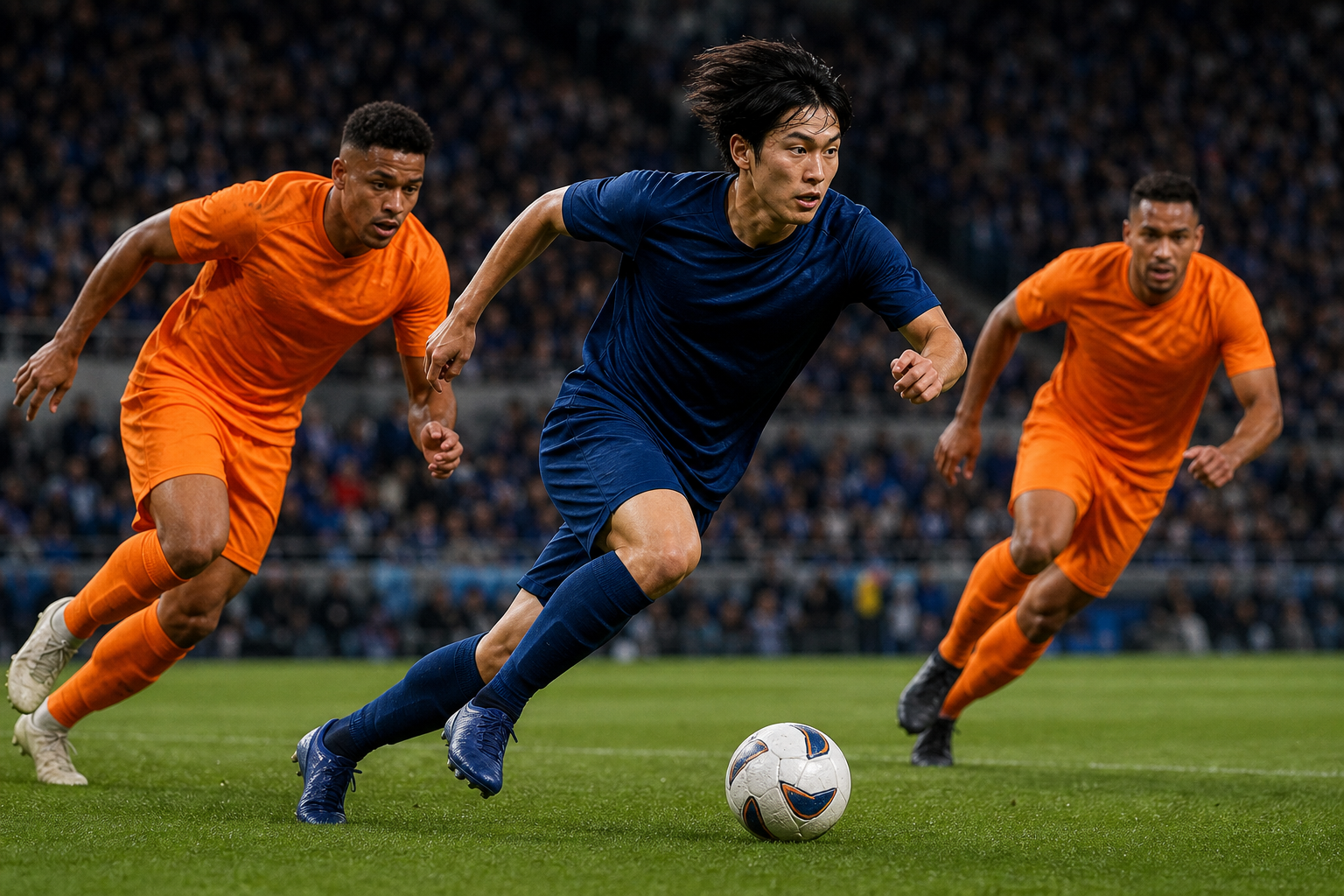
Japan Charge Relentlessly and Look Every Bit as Strong as a European Power
Japan's 2-2 draw with the Netherlands showed why the Samurai Blue can stand toe to toe with elite European opposition, from the pre-match numbers to the transition bursts, score swings, and what comes next.
Jun 15, 2026
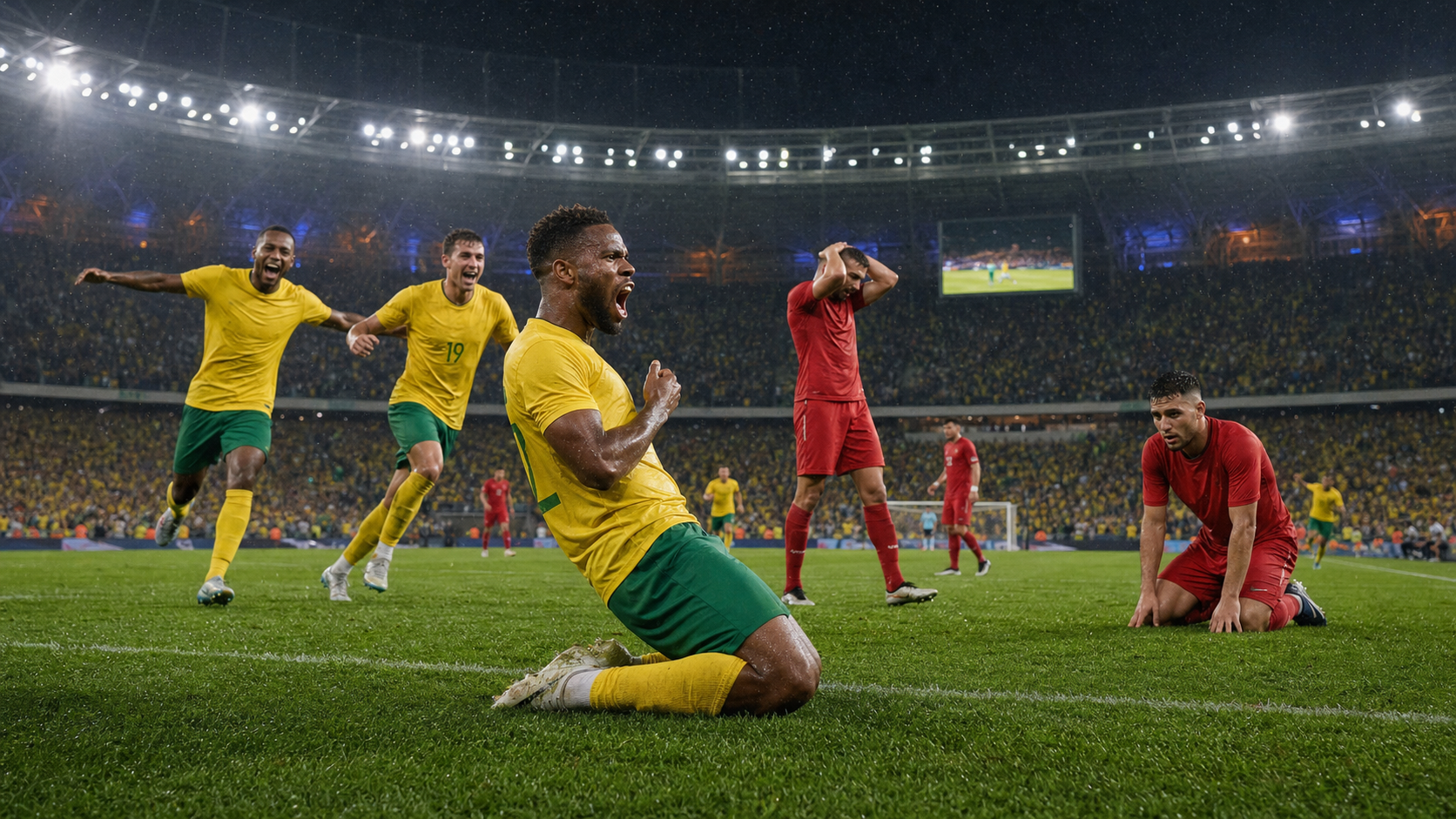
Brazil Fail to Win, Qatar Strike Late, Australia Become the Day's Biggest Upset Story
Brazil were held by Morocco, Qatar rescued a late point against Switzerland, Scotland took control in Group C, and Australia produced the clearest upset of the June 14 World Cup matchday.
Jun 14, 2026